Best Type of Massage for Neck & Shoulder Tension: A Practical Guide
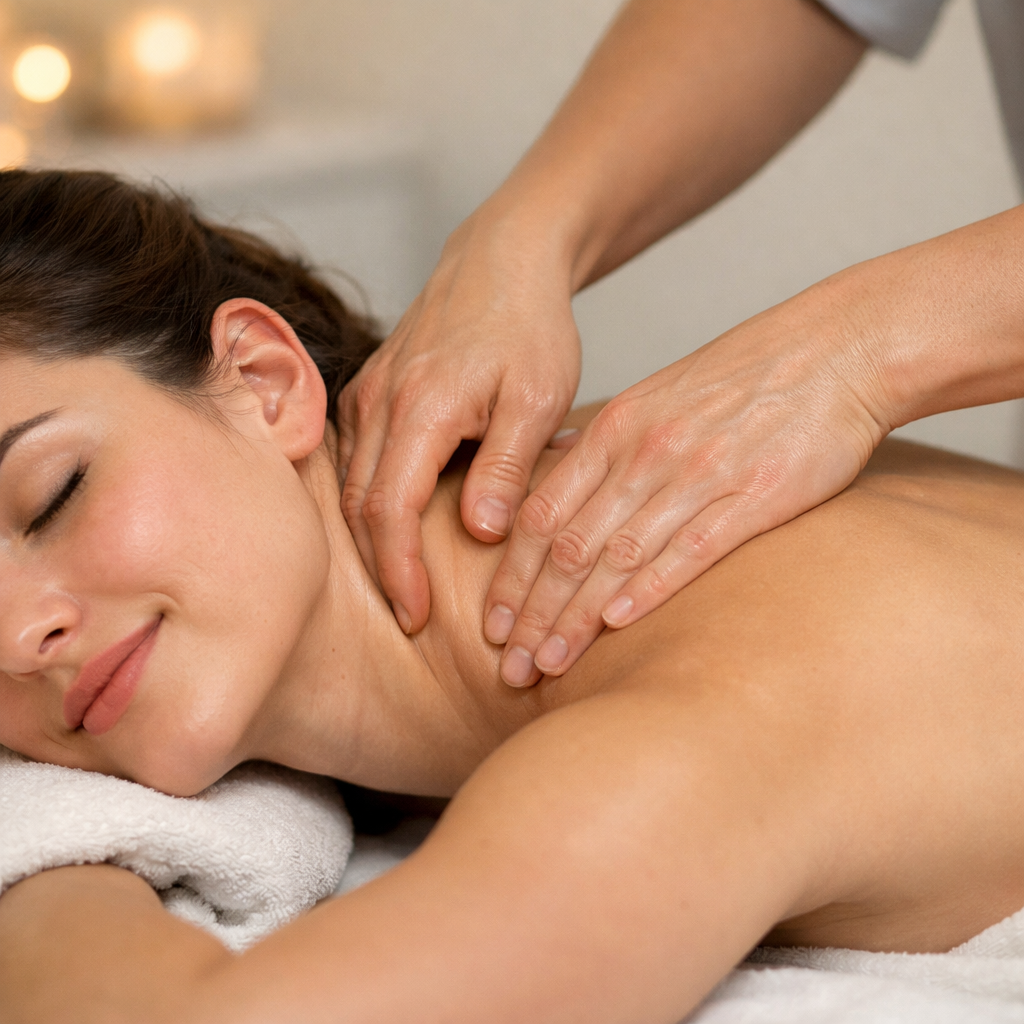
Trigger point therapy focuses on localized muscle tension that may contribute to neck and shoulder discomfort.
Neck and shoulder tension is one of the most common complaints among people who spend long hours sitting, working at a computer, driving, or using mobile devices. Poor posture, repetitive movements, stress, and muscle overuse can all contribute to tightness that gradually builds over time.
The good news is that there isn't just one massage technique for everyone. Different approaches work better for different types of muscle tension.
This guide explains several commonly used massage techniques and when each one may be appropriate.
What Causes Neck & Shoulder Tension?
Several everyday habits can contribute to muscle tightness, including:
Long hours at a desk
Looking down at phones or laptops
Poor sitting posture
Repetitive shoulder movements
Emotional stress
Limited movement throughout the day
These factors may lead to muscle tightness, trigger points, reduced mobility, and general discomfort.
1. Trigger Point Therapy
Best for
Localized muscle knots and tight spots.
Trigger point therapy focuses on specific areas of muscle tension that may refer discomfort into nearby areas such as the neck, shoulders, or upper back.
It is often chosen when people notice small, tender knots that feel tight during everyday movement.
2. Sports Massage
Best for
Active individuals or anyone experiencing muscle fatigue after exercise.
Sports massage combines stretching, compression, and deeper muscle work to improve flexibility and help muscles recover after physical activity.
It can also benefit people whose jobs involve repetitive movement or lifting.
3. Back Walking Massage
Best for
Broad muscle tension across the upper back and shoulders.
Back Walking Massage uses carefully controlled barefoot pressure over larger muscle groups. Many people enjoy this technique because it provides consistent pressure over areas that can be difficult to reach with hands alone.
Pressure is always adjusted according to the guest's comfort level.
4. Hot Stone Massage
Best for
People who prefer a gentler massage experience.
Warm stones may help muscles relax before manual massage techniques are applied, allowing therapists to work more comfortably without relying on excessive pressure.
Which Massage Is Right for You?
There isn't one technique that's best for everyone.
Your ideal massage depends on factors such as:
Where the tension is located
How long you've experienced discomfort
Your preferred pressure level
Your activity level
Previous massage experience
Many massage sessions combine several techniques rather than relying on only one approach.
Frequently Asked Questions
Is deep pressure always better?
Not necessarily. Comfortable, well-targeted pressure is often more effective than simply applying greater force.
How often should I get a massage?
Many people schedule sessions every 2–4 weeks, although frequency varies depending on individual goals and lifestyle.
Can massage help with desk-related muscle tension?
Massage is commonly chosen by people experiencing muscle tightness associated with prolonged sitting, repetitive computer work, or everyday stress.
Learn More
If you're interested in learning more about massage techniques for neck and shoulder tension, explore our related service pages:
Trigger Point Therapy
Sports Recovery Massage
Back Walking Massage
Hot Stone Massage
Neck Pain Massage
Our therapists personalize every session based on your comfort level, movement goals, and areas of tension.
