Understanding Muscle Recovery After Exercise
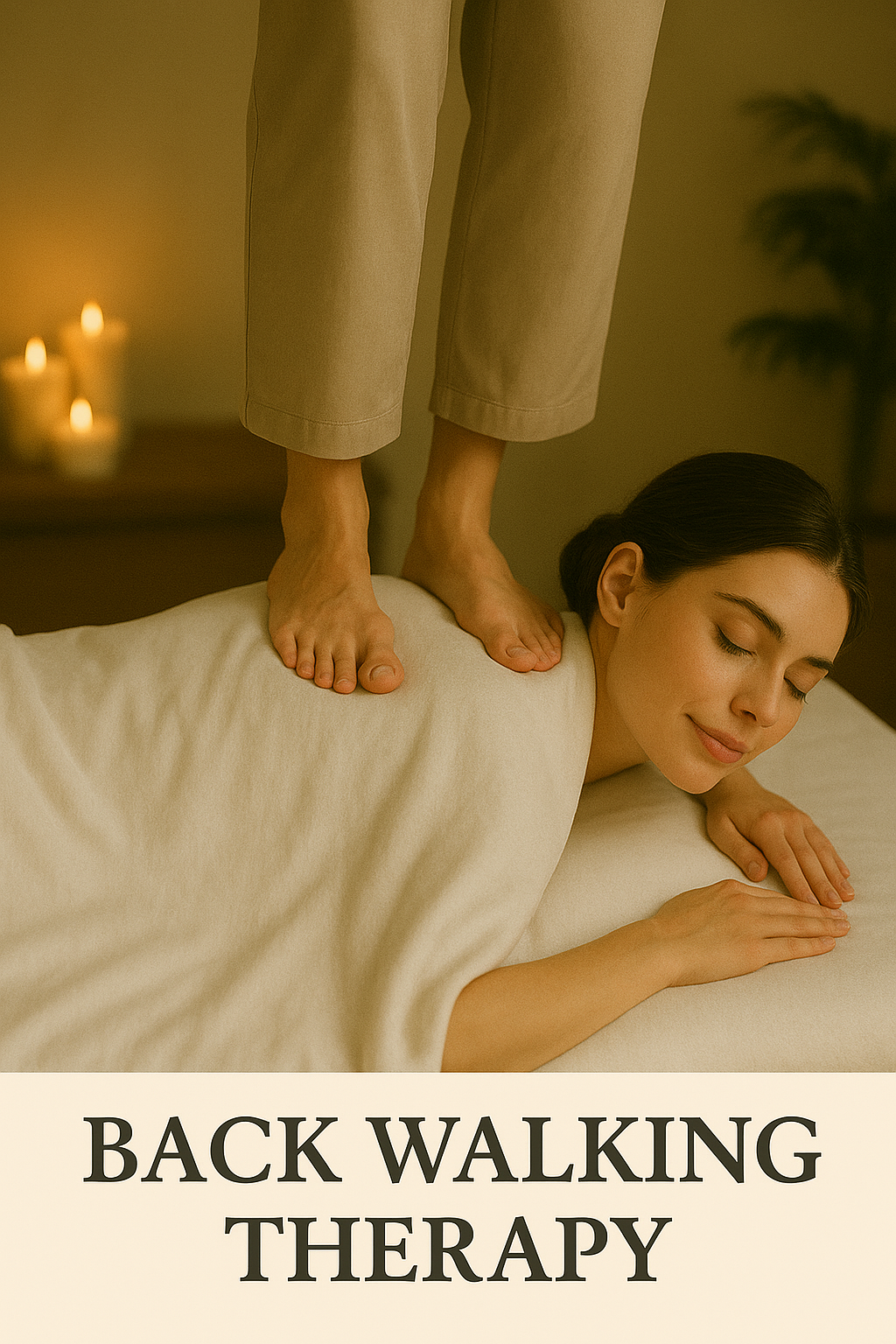
Recovery-focused massage may help reduce post-exercise muscle tightness and support comfortable movement after physical activity.
Why Recovery Matters After Exercise
Whether you're training for a marathon, lifting weights, playing tennis, cycling, or simply staying active, your muscles work hard every time you exercise.
Feeling sore after activity is common, but understanding why it happens can help you recover more effectively and continue moving comfortably.
Why Do Muscles Feel Tight After Exercise?
During physical activity, muscles repeatedly contract and relax. Depending on the intensity and duration of exercise, they may develop temporary fatigue and stiffness.
Common reasons include:
Repetitive muscle use
High-intensity training
Limited recovery time
Reduced flexibility
Poor posture during exercise
Muscle overloading
Many people notice soreness within 24 to 48 hours after a workout, especially after trying a new activity or increasing training intensity.
Common Areas of Post-Exercise Discomfort
Different sports place stress on different muscle groups.
Some of the most common areas include:
Neck and shoulders after cycling or swimming
Upper back after rowing or strength training
Lower back after lifting
Hips after running
Hamstrings and calves after long-distance exercise
Forearms after tennis, pickleball, or golf
The location of discomfort often depends on movement patterns and muscle use rather than a single cause.
Why Recovery Is Important
Recovery is an essential part of every training routine.
Allowing muscles time to recover may help support:
Better flexibility
Comfortable movement
Healthy muscle function
Improved training consistency
Reduced muscle fatigue
Recovery can include hydration, sleep, stretching, mobility exercises, light activity, and manual therapy.
Different Recovery Methods
No single recovery method is right for everyone.
Depending on your activity level and muscle condition, people may choose different approaches, such as:
Gentle stretching
Mobility exercises
Heat therapy
Foam rolling
Manual therapy
Recovery-focused massage
The best approach often depends on the individual's goals, activity level, and how their body responds after exercise.
Listening to Your Body
Mild soreness after exercise is common, but persistent pain, swelling, weakness, or discomfort that does not improve should be evaluated by a healthcare professional.
Understanding the difference between normal muscle fatigue and unusual pain is an important part of staying active safely.
Learn More About Sports Recovery
If you're interested in learning more about recovery-focused massage and the techniques available for active individuals, explore our dedicated Sports Recovery Massage page.
